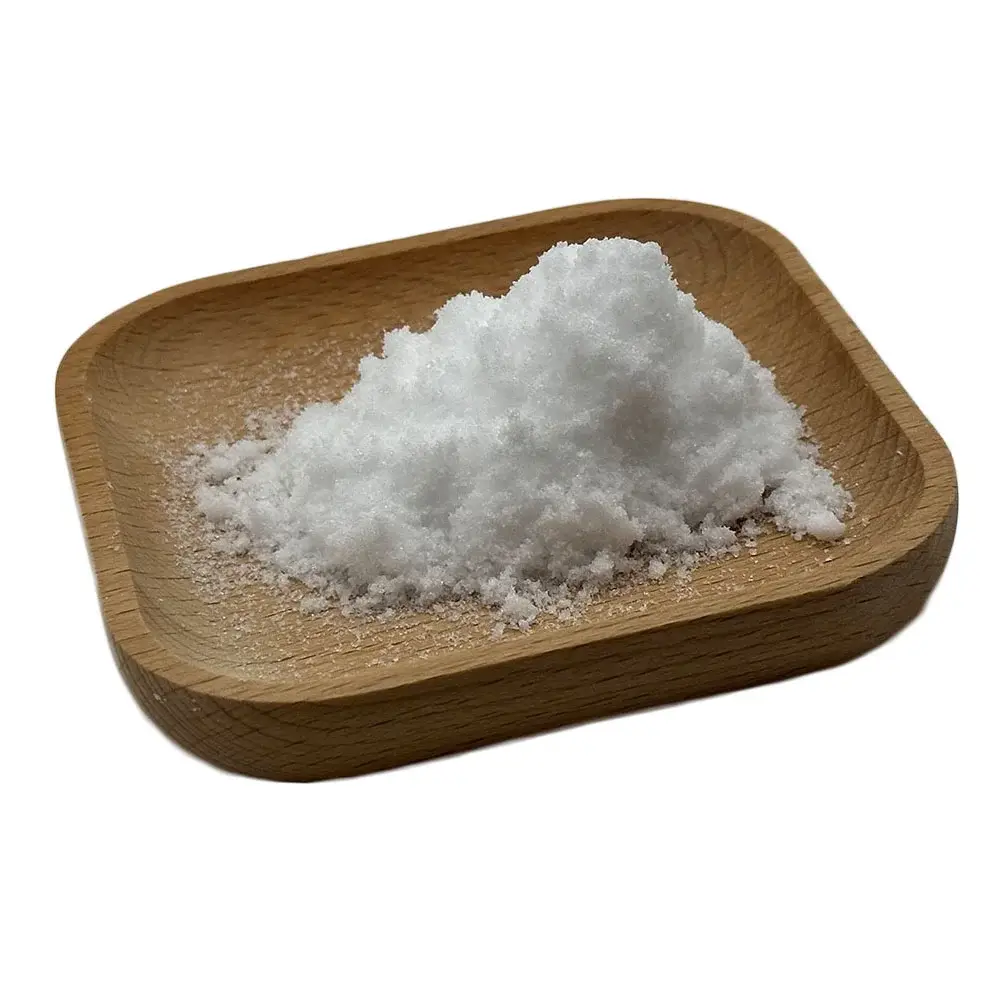
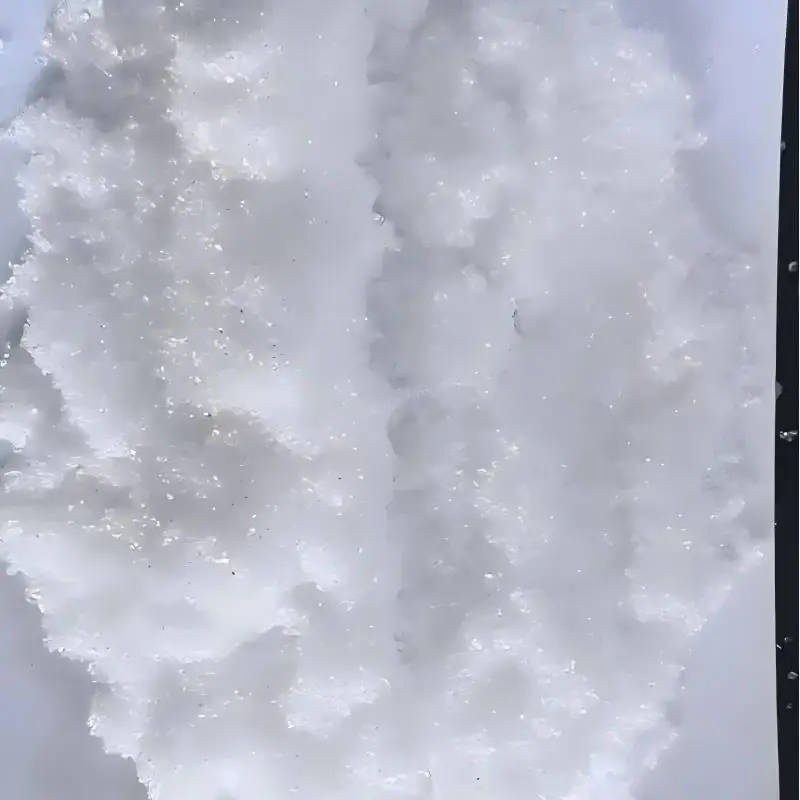
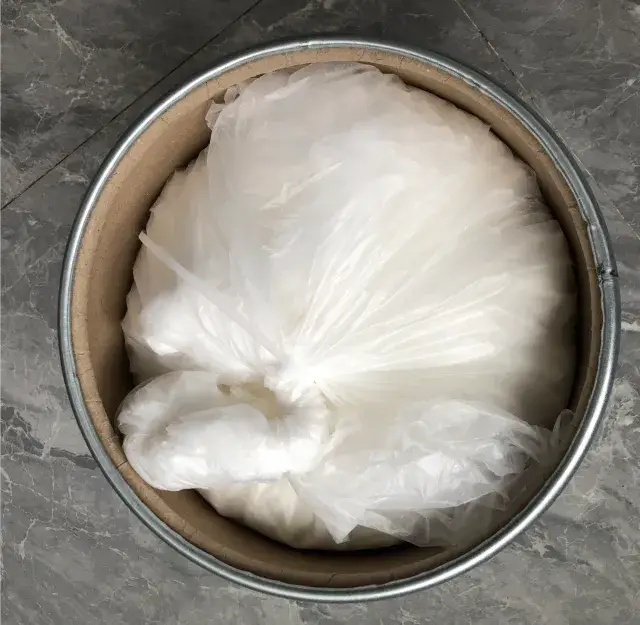
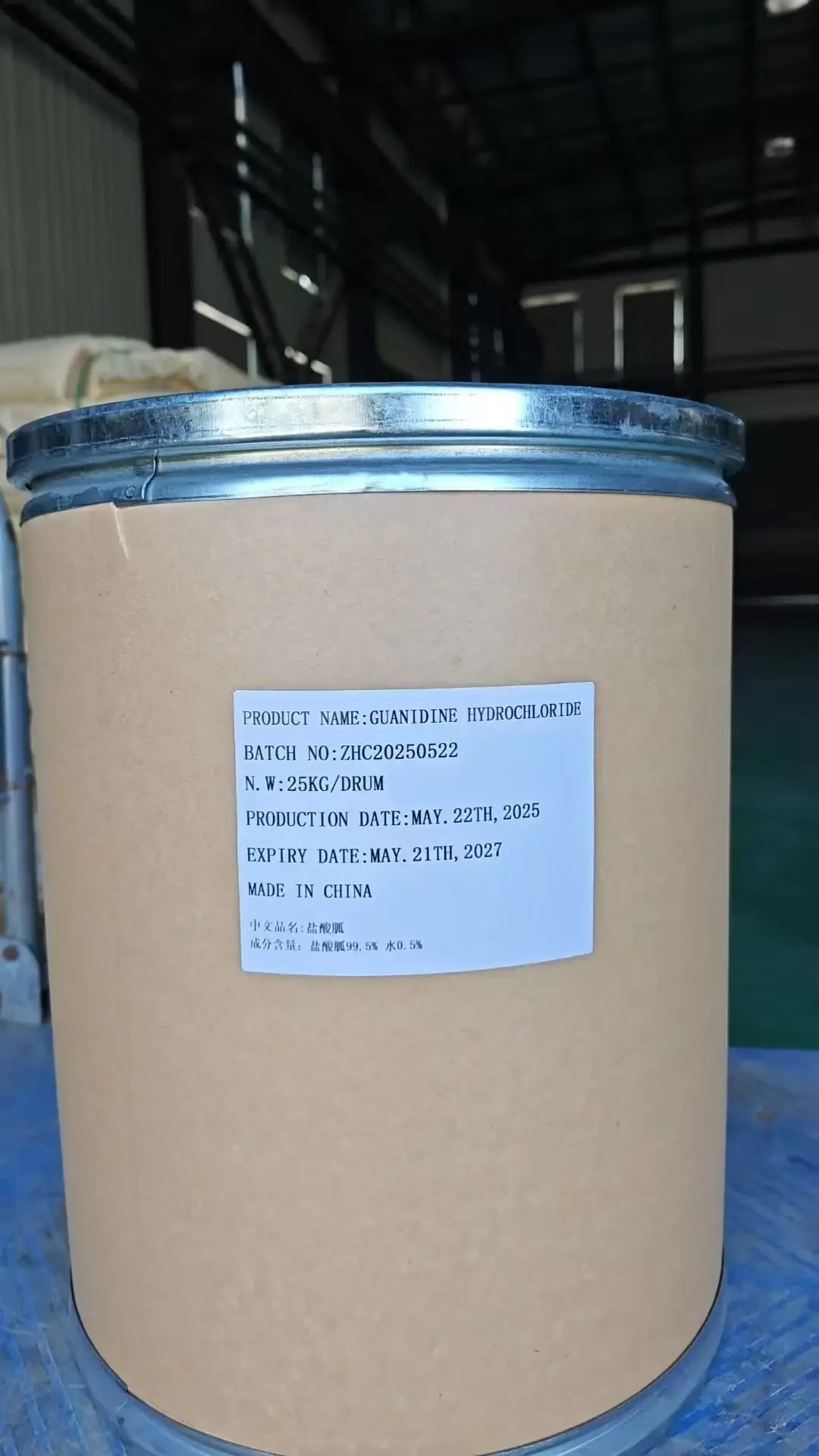
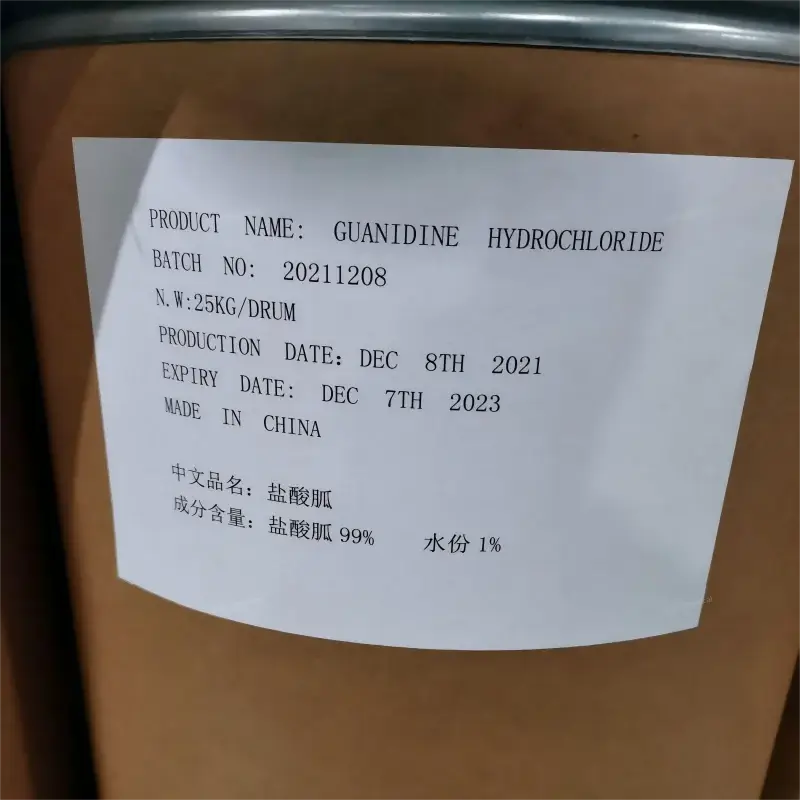
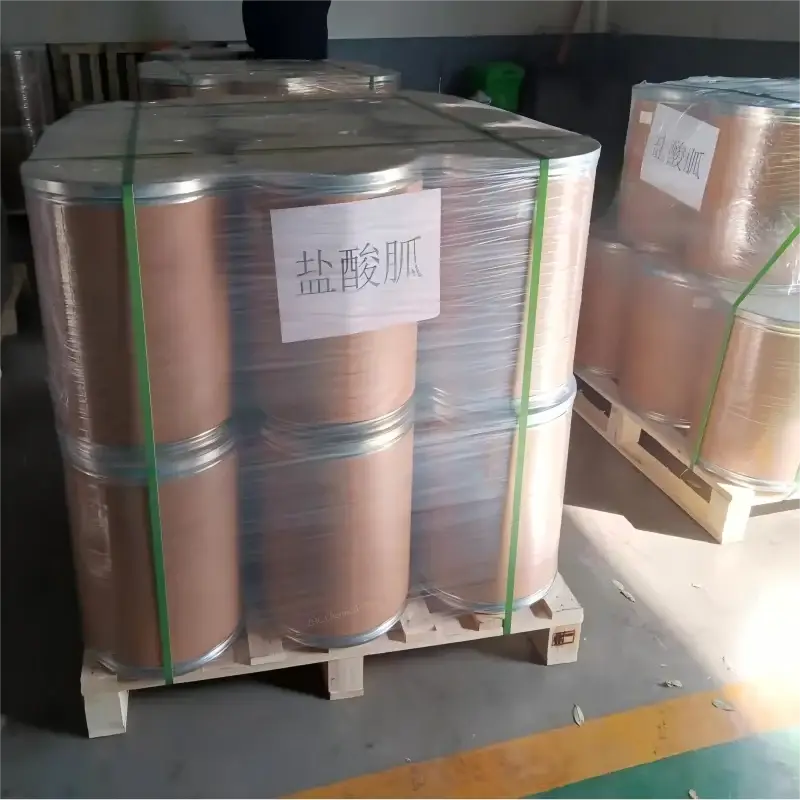







Guanidine hydrochloride CAS 50-01-1
Synonyms:guanidine,monohydrochloride;guanidinechloride;Guanidinemonohydrochloride;
guanidiniumhydrochloride;AMChemicalbookINOFORMAMIDINEHCL;
AMINOFORMAMIDINEHYDROCHLORIDE;
AMINOMETHANAMIDINEHCL;AMINOMETHANAMIDINEHYDROCHLORIDE
CAS No.: 50-01-1
Molecular Formula: CH 5 N 3 •HCl
Molecular Weight: 95.53
EINESC No.:200-002-3
Specification:
| Item | Specifications |
|---|---|
| Melting point | 180-185 °C(lit.) |
| density | 1.18 g/mL at 25 °C(lit.) |
| storage temp. | room temp |
| solubility | H2O: 6 M, clear, colorless |
| form | Crystals |
| color | White to slightly yellow |
| PH | 4.5-5.5 (100g/l, H2O, 20℃) |
| Odor | Odorless |
| Sensitive | Hygroscopic |
| Stability: | Stable. Hygroscopic. Incompatible with strong oxidizing agents. |
General description
Guanidine hydrochloride is a water-soluble chaotropic salt. Laboratories use it to unfold proteins and to stop RNases during nucleic-acid extraction; manufacturers use it as a building block for the pyrimidine rings in sulfonamide antibiotics and folic acid. We supply technical, pharmaceutical, and molecular-biology grades at ≥99.0% and ≥99.5% assay, in packs from 25 kg bags to 1,000 kg supersacks.
What is guanidine hydrochloride?
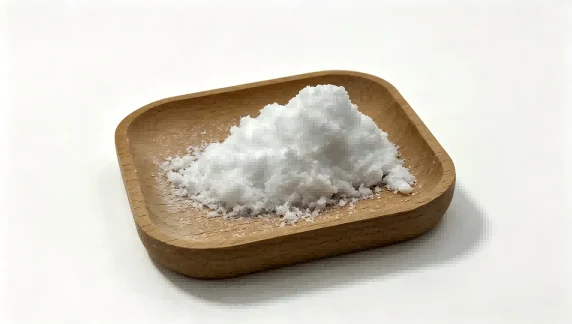
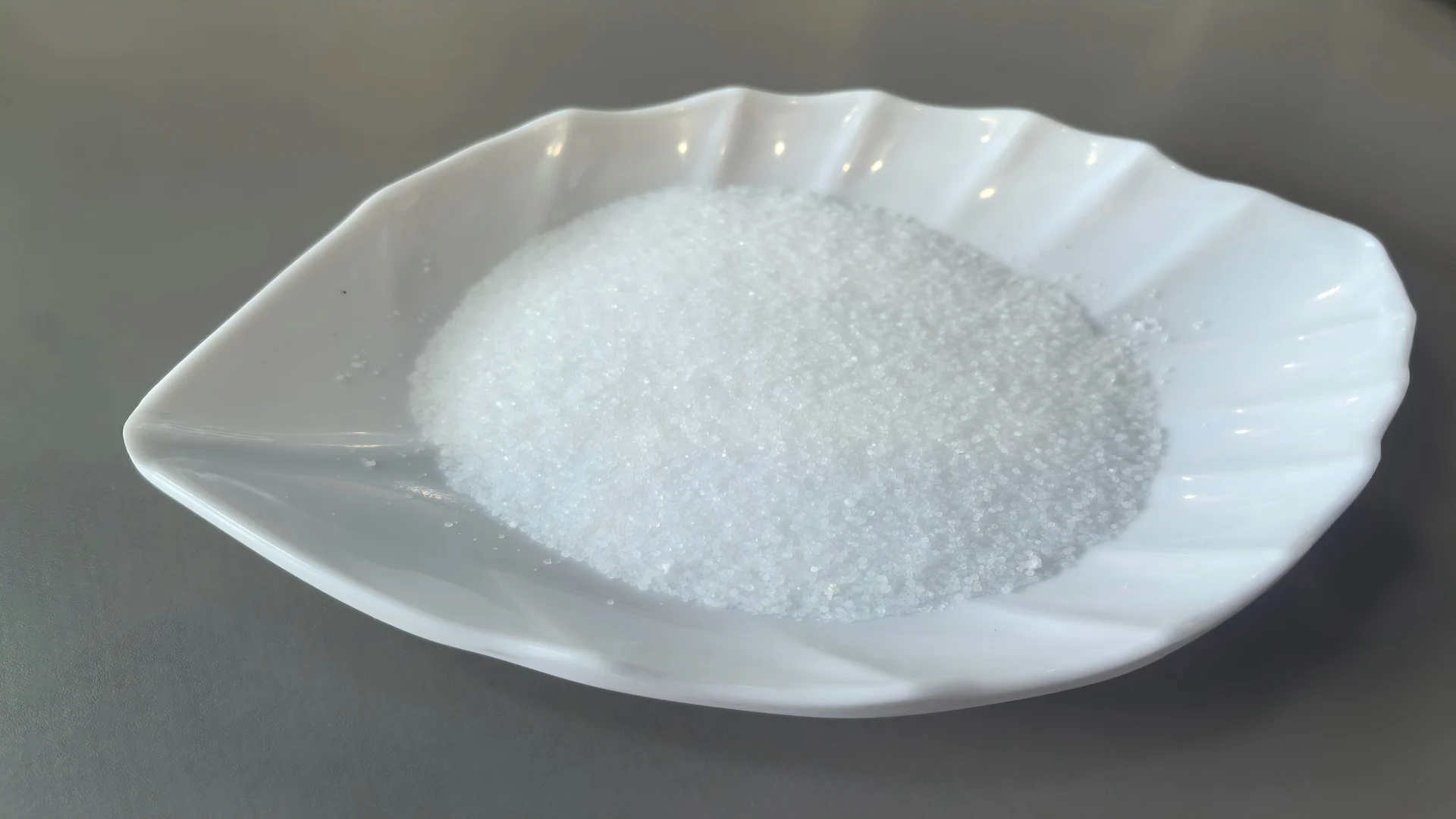
Guanidine hydrochloride — also called guanidinium chloride, guanidine monohydrochloride, or GHC — is the hydrochloride salt of guanidine. It is a white, odorless, hygroscopic crystalline solid with the formula CH₅N₃·HCl and a molecular weight of 95.53 g/mol.
It dissolves freely in water (about 570 g/L at 20 °C, or roughly 6 M) and in ethanol, but is practically insoluble in acetone, benzene, and diethyl ether. A 100 g/L aqueous solution is acidic, with a pH of 4.5–5.5, so it should be buffered before use in pH-sensitive systems.
How the guanidinium ion works
The guanidinium cation is one of the strongest chaotropes in routine laboratory use. It weakens hydrogen bonds and hydrophobic interactions in water, which unfolds proteins and inactivates nucleases. At 6 M, guanidine hydrochloride denatures most globular proteins — the basis for its use in protein-stability measurements and in solubilizing inclusion bodies before refolding (Pace, 1986; Burgess, 2009).
Chaotropic effects of this kind follow the Hofmeister series, which ranks ions by how strongly they alter protein solubility and structure (Zhang & Cremer, 2006). That is why guanidine salts are chosen when complete denaturation matters more than gentle handling.
Key properties at a glance
| Property | Typical value | Why it matters |
| Assay (dry basis) | ≥99.0% (≥99.5% pharma/bio) | Predictable stoichiometry in synthesis |
| Appearance | White to slightly yellow crystals | Visual identification on receipt |
| Solubility in water | 6 M) | Mix a 6 M stock directly, no dilution series |
| pH (100 g/L, 20 °C) | 4.5–5.5 | Acidic — check buffer compatibility |
| Melting point | 181–186 °C | Identity and purity check |
| Water content | ≤0.3% | Less caking, less hydrolysis |
| Hygroscopicity | Strongly hygroscopic | Keep sealed; reseal after use |
What is guanidine hydrochloride used for?
Protein denaturation and refolding
At 6 M, guanidine hydrochloride unravels the tertiary structure of most proteins. That makes it useful for measuring folding stability, dissolving inclusion bodies, and inactivating enzymes before analysis. After solubilization, proteins are usually refolded by diluting or dialyzing out the denaturant, often with urea and dithiothreitol (DTT) in the buffer (Burgess, 2009).
RNA and DNA extraction
Guanidinium salts lyse cells and inhibit RNases, which is why they are standard in nucleic-acid extraction. The classic acid guanidinium thiocyanate–phenol–chloroform method established the chemistry (Chomczynski & Sacchi, 1987); many kit and plate protocols use guanidine hydrochloride in lysis and wash buffers instead. For these workflows, specify molecular-biology grade with DNase, RNase, and protease activity reported as not detected.
Pharmaceutical intermediates
Guanidine hydrochloride supplies the guanidine unit that becomes the 2-aminopyrimidine ring in sulfonamide antibiotics such as sulfadiazine, sulfamerazine, and sulfadimidine. The same chemistry feeds folic acid intermediates, and the salt is used to install guanidine and amidine groups in drug candidates.
Agrochemical intermediates
Guanidine-based heterocycles serve as intermediates for insecticides, fungicides, and herbicides, where the guanidine unit is part of the biologically active structure.
Industrial and fine chemicals
Guanidine hydrochloride is used in dye synthesis, as an antistatic agent for synthetic fibers, and as a building block for other guanidine-derived fine chemicals.
Quality and documentation
Every batch is released against a written specification covering assay, melting range, pH, water, sulfated ash, ammonium chloride, water-insoluble matter, heavy metals, and UV absorbance at 260 and 280 nm. Each shipment includes a batch-specific Certificate of Analysis (CoA) and a current GHS-format Safety Data Sheet (SDS).
Retained samples are kept for 24 months, and third-party inspection (SGS, Bureau Veritas, or Intertek) can be arranged before shipment. [ISO 9001:2015 certified.] Packaging, storage, and shipping
Packaging: 25 kg PE-lined woven bags (40 per pallet), 25 kg fiber drums, and 500 kg or 1,000 kg supersacks. Private-label and neutral packaging available from 5 MT.
Storage: Keep at 5–30 °C in a cool, dry, well-ventilated area in the original sealed container. The product is hygroscopic — reseal opened bags immediately and keep away from acids and strong oxidizers. Shelf life is 24 months from the production date.
Shipping: Guanidine hydrochloride is not classified as dangerous goods for transport in our SDS. A 20-foot container holds 18–20 MT palletized. MOQ is 25 kg; stock orders ship in 7–10 days.
Frequently asked questions
What is guanidine hydrochloride used for? It is used three ways: as a chaotropic reagent to denature proteins and inhibit RNases in nucleic-acid extraction; as a building block for 2-aminopyrimidines used in sulfonamide antibiotics and folic acid; and as an intermediate for agrochemicals, dyes, and antistatic fiber treatments.
Is guanidine hydrochloride the same as guanidine thiocyanate? No. Both are guanidinium salts and both are chaotropes, but guanidine thiocyanate is the stronger denaturant and is the salt used in the classic acid–phenol RNA extraction method. Guanidine hydrochloride is less hazardous and costs less per kilogram, so it is usually chosen for protein work and general biochemical buffers.
Which grade should I use for RNA extraction? Molecular-biology grade. It is tested for DNase, RNase, and protease activity (reported as not detected) and has low UV absorbance at 260 and 280 nm, so it will not degrade RNA or interfere with quantification.
How do I prepare a 6 M guanidine hydrochloride solution? Dissolve 573 g of guanidine hydrochloride in about 800 mL of water, then bring the volume to 1 L. Stir, warming gently if needed (keep below 40 °C), adjust pH for your buffer, and filter-sterilize for cell work. Use molecular-biology grade for RNA applications.
Is guanidine hydrochloride a dangerous good for shipping? Our SDS classifies it as non-hazardous for transport, and it normally ships as general cargo by sea or air. It is an irritant and is hygroscopic, so bags are PE-lined and palletized. Confirm the final classification with your freight forwarder for your route.
What is the minimum order and lead time? 25 kg for stock grades. Stock orders ship in 7–10 days; custom specifications and private-label packaging take 18–25 days.
1. Description
Chemical Name: Guanidine Hydrochloride Synonyms: Guanidinium Chloride, Aminoformamidine Hydrochloride, Carbamidine Hydrochloride CAS No.: 50-01-1 EC / EINECS No.: 200-002-3 Molecular Formula: (boldsymbol) Molecular Weight: 95.53 Physical appearance: White crystalline powder, highly hygroscopic. Freely soluble in water and methanol; slightly soluble in ethanol; insoluble in acetone and diethyl ether. Its aqueous solution is strongly alkaline. Stable under ambient conditions. At elevated temperatures, thermal decomposition occurs and releases corrosive hydrogen chloride and ammonia vapours.[1]
2. Uses & Application Methods
Uses
- Molecular biology: Chaotropic denaturant for DNA and RNA extraction; denatures proteins and inhibits nuclease activity.
- Pharmaceutical manufacturing: Intermediate for guanidine-based medicines, antibiotics, and sulfa drug derivatives.
- Industrial chemistry: Resin synthesis, rubber additives, and chemical catalyst.
- Water treatment, preservatives and biocide formulations.
- Biochemical research: Protein denaturation and protein refolding studies. Not approved for direct human oral intake or cosmetic application.
Application Method
Laboratory operations: Prepare aqueous solutions inside a certified fume hood. Industrial use: Closed feeding systems fitted with dust collection devices. Minimize aerosol formation during weighing, transferring and mixing operations to reduce dust exposure.[2]
3. Manufacturing Information
The dominant industrial synthesis route is the high-temperature melt reaction between dicyandiamide and ammonium chloride. An alternative production route uses cyanamide reacted with hydrochloric acid. General production workflow: chemical reaction → cooling crystallization → recrystallization purification → centrifugal separation → drying. Process controls: Sealed reactor vessels, dust capture systems, corrosion-resistant equipment for alkaline media and decomposition gas. High-temperature zones require effective ventilation to remove HCl and ammonia vapors.[4][5]
4. Use Classification (GHS & REACH)
GHS hazard classification:
- H302: Harmful if swallowed (Acute oral toxicity, Category 4)
- H315: Causes skin irritation (Skin irritation, Category 2)
- H318: Causes serious eye damage (Serious eye damage, Category 1)
- H335: May cause respiratory irritation (Specific target organ toxicity, single exposure, Category 2) Substance type: Organic guanidinium salt; laboratory denaturant and pharma intermediate. Non-flammable, non-explosive. Not classified as a persistent high-toxicity environmental substance.[1][3]
5. Storage Hazards
- Strong hygroscopicity: Absorbs atmospheric moisture readily and forms hard lumps; slow hydrolysis occurs during long-term humid storage.
- Thermal hazard: Thermal decomposition under heat generates corrosive hydrogen chloride and ammonia vapors.
- Incompatible substances: Strong oxidizers, concentrated mineral acids, strong alkalis, copper and aluminium metals. Contact may trigger exothermic reactions.
- No fire or explosion hazard, but during fire exposure, toxic decomposition fumes will form.
Storage guidance: Keep containers tightly sealed. Store in cool, dry warehouse areas away from heat and direct sunlight. Store separately from oxidizing agents and acids. Protect containers from moisture ingress.[1][4]
6. Risk Summary
Health risks: Inhalation of dust irritates the respiratory tract. Skin contact causes irritation and irritant dermatitis. Eye contact may produce severe corneal injury. Ingestion causes gastrointestinal irritation; large doses may produce systemic poisoning. Environmental risks: Harmful to aquatic organisms at high concentrations. Do not discharge directly into surface water or sewer systems. Physical risks: No flammability or explosion risk; dust dispersion must be controlled during handling.[2][3]
7. Exposure Effects (Acute and Chronic)
Inhalation
Acute: Sore throat, cough, airway irritation, chest tightness. High dust levels may induce bronchitis. Chronic repeated exposure: Persistent mild irritation of respiratory tract.
Skin Contact
Acute: Erythema, stinging, itching and irritant dermatitis. Prolonged contact increases tissue injury.
Eye Contact
Acute: Severe pain, lacrimation, corneal burn; permanent visual damage may occur.
Ingestion
Acute: Nausea, abdominal pain, vomiting. Large ingestion leads to systemic poisoning. No confirmed human carcinogenicity data available.[1][2]
8. Exposure Prevention
- Enclose process equipment and install local exhaust ventilation to reduce airborne dust concentration.
- No eating, drinking or smoking inside work zones. Wash hands thoroughly and shower after handling.
- Spill containment with secondary containment bunds. Collect solid spills; do not flush spilled material directly to drains.
- Periodic workplace air monitoring for dust.
- Maintain tight container closure to minimise dust release.[1][3]
9. Protective Measures / Personal Protective Equipment (PPE)
- Respiratory protection: N95 / FFP2 particulate respirator when dust exceeds occupational exposure limits. Half-face respirator for large spills or high dust concentration scenarios.
- Eye protection: Chemical splash goggles combined with face shield (critical protection).
- Skin protection: Nitrile chemical-resistant gloves (latex gloves are not recommended), long-sleeve protective coveralls.
- Engineering controls: Local fume extraction, emergency eyewash station and safety shower within immediate reach.[1][5]
10. First Aid Measures
- Inhalation: Move victim to fresh air, allow rest. Administer oxygen if breathing difficulty develops. Seek medical care if symptoms persist.
- Skin contact: Immediately remove contaminated clothing. Flush affected skin with plenty of running water for at least 15 minutes. Seek medical attention if irritation appears.
- Eye contact: Irrigate continuously with plenty of running water for minimum 15 minutes, hold eyelids open during flushing. Seek urgent ophthalmological treatment.
- Ingestion: Rinse mouth. Do NOT induce vomiting. Give small volumes of clean water. Contact medical service promptly. Rescuers must wear proper PPE to avoid secondary chemical exposure.[1][5]
11. Symptoms of Exposure
- Inhalation: Cough, sore throat, burning airway sensation, shortness of breath.
- Skin: Redness, stinging, itching.
- Eyes: Severe pain, photophobia, corneal damage, blurred vision.
- Oral ingestion: Nausea, vomiting, abdominal cramping.[1][2]
12. Consumer / Consumption Information
Guanidine hydrochloride is a specialty industrial and laboratory chemical, not a consumer commodity. It must not be ingested or applied directly onto human skin by the general public. General public exposure risk is negligible. Exposure hazards are limited to occupational users working in laboratories, pharmaceutical and chemical manufacturing plants. Waste material must be disposed as hazardous solid waste following local regulatory requirements; uncontrolled dumping is prohibited.[3]
13. Reference Quality Standard
Two primary commercial grades are adopted: Molecular Biology / ACS Reagent Grade and Industrial Grade.
- Molecular Biology Grade: Assay ≥99.5%; no detectable RNase, DNase or protease; A₂₆₀ ≤0.05 AU, A₂₈₀ ≤0.01 AU; moisture ≤0.3%; water-insoluble matter ≤0.1%; melting point 184–188 °C.
- Industrial Grade: Assay ≥99.0%; moisture ≤0.3%; ash ≤0.05%; melting range 182–188 °C.[6]
14. Chemical Properties
Guanidine hydrochloride is stable under normal room temperature and pressure but strongly hygroscopic. It dissociates completely in water into guanidinium cation and chloride anion; its aqueous solution is weakly acidic. The guanidinium cation disrupts hydrogen bonds, hydrophobic interactions and salt bridges of biomacromolecules, giving rise to its chaotropic activity. It is incompatible with strong oxidizing agents. Upon intense heating, it decomposes and releases toxic nitrogen-containing vapors and hydrogen chloride gas. Melting point: 184–188 °C.[7]
15. Biochemical / Physiological Action
Biochemical effect: It is a powerful chaotropic denaturant. At high molar concentrations (commonly 4–6 M), guanidinium ions disrupt non-covalent interactions and unfold native globular proteins. It is widely applied for protein denaturation, solubilization of inclusion bodies, and refolding by gradual dialysis removal of guanidine. It suppresses Hsp104 ATPase activity and cures yeast prions in vivo. It also inhibits RNase and protease activities during nucleic acid extraction. Physiological effect: Irritating to skin, eyes and respiratory tract. Oral ingestion causes moderate acute toxicity. It interferes with intracellular protein structure and function. It is not used as a systemic therapeutic drug; biological use is limited almost exclusively to in vitro laboratory experiments.[8][9]
16. Purification Method
The standard laboratory purification is recrystallization from hot methanol. Dissolve crude guanidine hydrochloride in hot methanol with stirring. Slowly cool the mixture to approximately −10 °C under agitation to form fine crystals. Collect crystals by vacuum filtration through a fritted glass funnel, wash with cold (−10 °C) methanol, then vacuum-dry the solid at 50 °C for 5 hours. For ultra-pure molecular-biology grade material, repeat recrystallization twice. Purified product must be stored in low-humidity conditions to prevent water absorption.[10][11]
References List
[1] ILO International Chemical Safety Cards (ICSC). ICSC 0894, Guanidine Hydrochloride. [2] PubChem, National Center for Biotechnology Information. Guanidine Hydrochloride, CID:5742. U.S. National Library of Medicine, NIH. [3] ECHA European Chemicals Agency. REACH Registration Dossier, Guanidinium Chloride, EC No.200-002-3. [4] Safety Data Sheet, Guanidine Hydrochloride, CAS 50-01-1. [5]Merck Sigma-Aldrich. Safety Data Sheet for Guanidine Hydrochloride. [6] Sigma-Aldrich. OmniPur Guanidine Hydrochloride (CAS 50-01-1) Product Datasheet. Merck KGaA. [7] Haynes, W. M. (Ed.). CRC Handbook of Chemistry and Physics, 98th Edition. CRC Press. [8] Hagihara Y, et al. Guanidine hydrochloride-induced folding of proteins. J Mol Biol. 1993;231(2):180–184. [9] Jung G, Masison DC. Guanidine hydrochloride inhibits Hsp104 activity in vivo: a possible explanation for its effect in curing yeast prions. Curr Microbiol. 2001;43(1):7–10. [10] Perrin DD, Armarego WLF. Purification of Laboratory Chemicals, 7th edition. Butterworth-Heinemann. [11] Kolthoff IM, et al. Purification of Guanidine Hydrochloride for Biochemical Use. J Am Chem Soc. 1955;77(12):3105–3107.recent projects

Crafting the high quality products you can trust, Serving you better since 1995!